Ca cao hữu cơ vs Ca cao thường có gì khác biệt?
- What is cocoa and the difference between “organic” and “conventional” cocoa?
Cocoa (cacao/cocoa) is the seed of the Theobroma cacao tree, harvested when ripe, then fermented, dried, and processed into powder, cocoa butter, chocolate bars, etc. Cocoa is the main ingredient that gives cocoa its flavor as well as its characteristic nutritional components such as flavonoids, polyphenols, and minerals. https://oyo99.one/slots/pgsoft
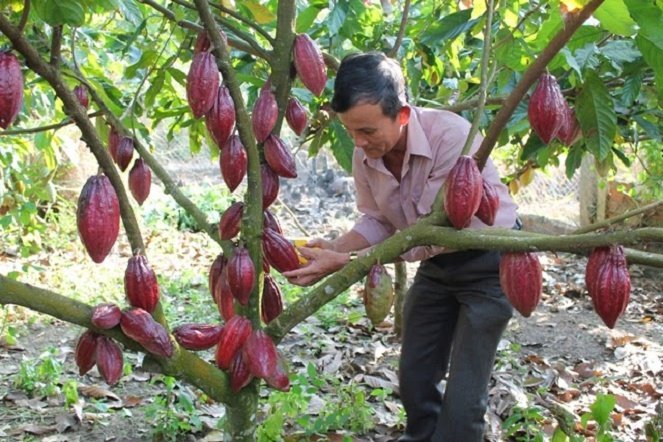
“Conventional cocoa” refers to cocoa grown and produced using common processes, which may involve the use of chemical fertilizers, pesticides, conventional pest control methods, and obvious roasting or heat treatment. “Organic cocoa,” on the other hand, is produced according to organic standards: no synthetic chemicals are used, pest control is natural, organic fertilizers are employed, and it has organic certification .
- Growing process: differences in cocoa tree care
2.1. Common cocoa – popular cultivation methods
Chemical fertilizers are commonly used to increase yields quickly and meet the demands of a large market.
Pest control involves using pesticides and plant protection chemicals, sometimes on a fixed schedule, to protect crops.
It can be grown in large areas, with little emphasis on biodiversity (e.g., monoculture), and with minimal application of ecological measures to support the environment. https://www.bluebellcottage.co.uk/contact-us
2.2. Organic cocoa – prioritizing natural and sustainable methods
Using organic fertilizers, green manure, and compost improves soil fertility and structure, and maintains natural moisture.
Biological pest control methods include using beneficial microorganisms and insects, providing shade, and using shade trees to reduce heat and retain moisture.
Organic standards come with certification from reputable organizations, ensuring that farming methods are truly regulated (no synthetic chemicals, no harsh pesticides, environmentally friendly).
- Cost, availability, and suitability.
3.1. Price and popularity
Cocoa is generally more common, has a larger yield, and is cheaper because of lower cultivation and production costs.
Organic cocoa has higher costs (certification, natural pest management, organic fertilizers, soil care), therefore the selling price is higher; organic products are not always easy to find, especially in suburban areas or small markets .
3.2. When should you choose which type?
If you want to enjoy a popular, familiar cocoa at a reasonable price, regular cocoa is still a good option – especially if you care about an accessible flavor and its use in beverages or as a common ingredient in cooking.
If you prioritize natural ingredients, deeper flavors, minimal chemical intervention, and are concerned about the environmental or health impact, then organic cocoa is a worthwhile option.
- Introducing Organic Chocolate – Made from 100% Organic Cocoa Beans
Vinacacao’s Organic Chocolate products are made entirely from 100% organic cocoa beans, harvested from internationally certified farms. Thanks to sustainable and natural farming practices, each cocoa bean retains its original flavor, is rich in antioxidants, and is good for cardiovascular and mental health.
Specifically, the product comes in two flavor versions:
- Dark chocolate – a rich, authentic flavor, for those who appreciate the purity and depth of cocoa beans.
- Milk chocolate – sweet, balanced, offering a gentle and easily accessible experience for all ages.

With its elegant, eco-friendly paper packaging that emphasizes the natural nuances of cocoa, Organic Chocolate is not only a delicious and healthy treat but also a way to care for yourself every day – a harmonious blend of exquisite taste and peace of mind for your health.