Sô cô la Ruby – “Viên ngọc hồng” làm say mê thế giới
In the rich world of chocolate, we usually think of three familiar types: dark, milk, and white. However, in 2017, a “new star” unexpectedly emerged and quickly took the world by storm: Ruby chocolate. Described as the “pink gem” of the chocolate industry, Ruby not only offers a unique color but also changes the way people perceive taste. It is also considered the greatest invention in the chocolate industry since white chocolate was created more than 80 years ago https://tastind.silkeborgarkiv.dk/
Proprietary origin and production process
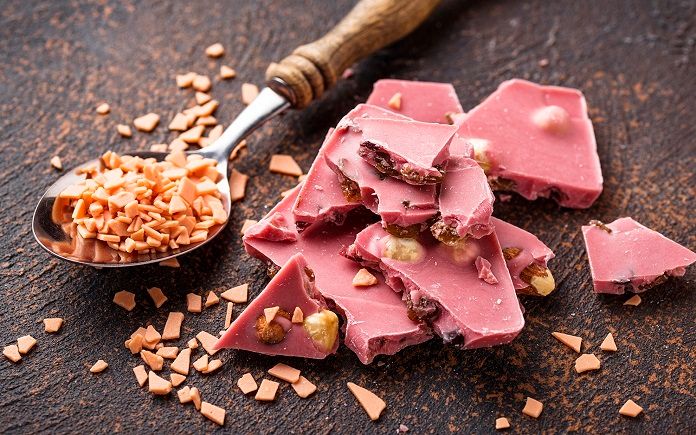
The uniqueness of Ruby cocoa beans begins with the Ruby cocoa bean. These aren’t entirely new cocoa varieties, but rather carefully selected beans from cocoa – growing regions such as Ecuador, Brazil, and Ivory Coast. Ruby cocoa beans contain anthocyanins, the compounds that give them their natural pink color and subtly tart, fruity flavor.
However, relying solely on ingredients is not enough to create Ruby chocolate. The secret lies in the proprietary processing method of the Barry Callebaut group (Switzerland). This technology preserves the original pink color and distinctive fruity flavor, instead of the cocoa beans turning brown as is common. To this day, the technology remains closely guarded, making Ruby an exclusive and even more mysterious product.
What makes Ruby chocolate different?
Ruby chocolate impresses at first glance with its natural pink color. Unlike candies dyed with artificial colors, Ruby’s pink hue comes entirely from the cocoa beans themselves and the processing method. Therefore, Ruby quickly became an “Instagrammable” chocolate – appealing to younger generations who appreciate unique and visually appealing items.
In terms of flavor, Ruby offers a completely different experience. While dark chocolate has a strong bitterness, milk chocolate leans towards sweetness and richness, and white chocolate is mild, Ruby has a gentle tartness like berries, combined with a touch of delicate sweetness and a smooth, melt-in-your-mouth texture. It’s not bitter, not overly sweet, but balanced and refreshing – a “hybrid” experience between chocolate and fruit.
In addition, rubies hold special emotional value. The color pink is associated with romance, creativity, and elegance, so rubies often appear on special occasions like Valentine’s Day, anniversaries, or as high-end gifts.
Comparing Ruby to other types of chocolate
-
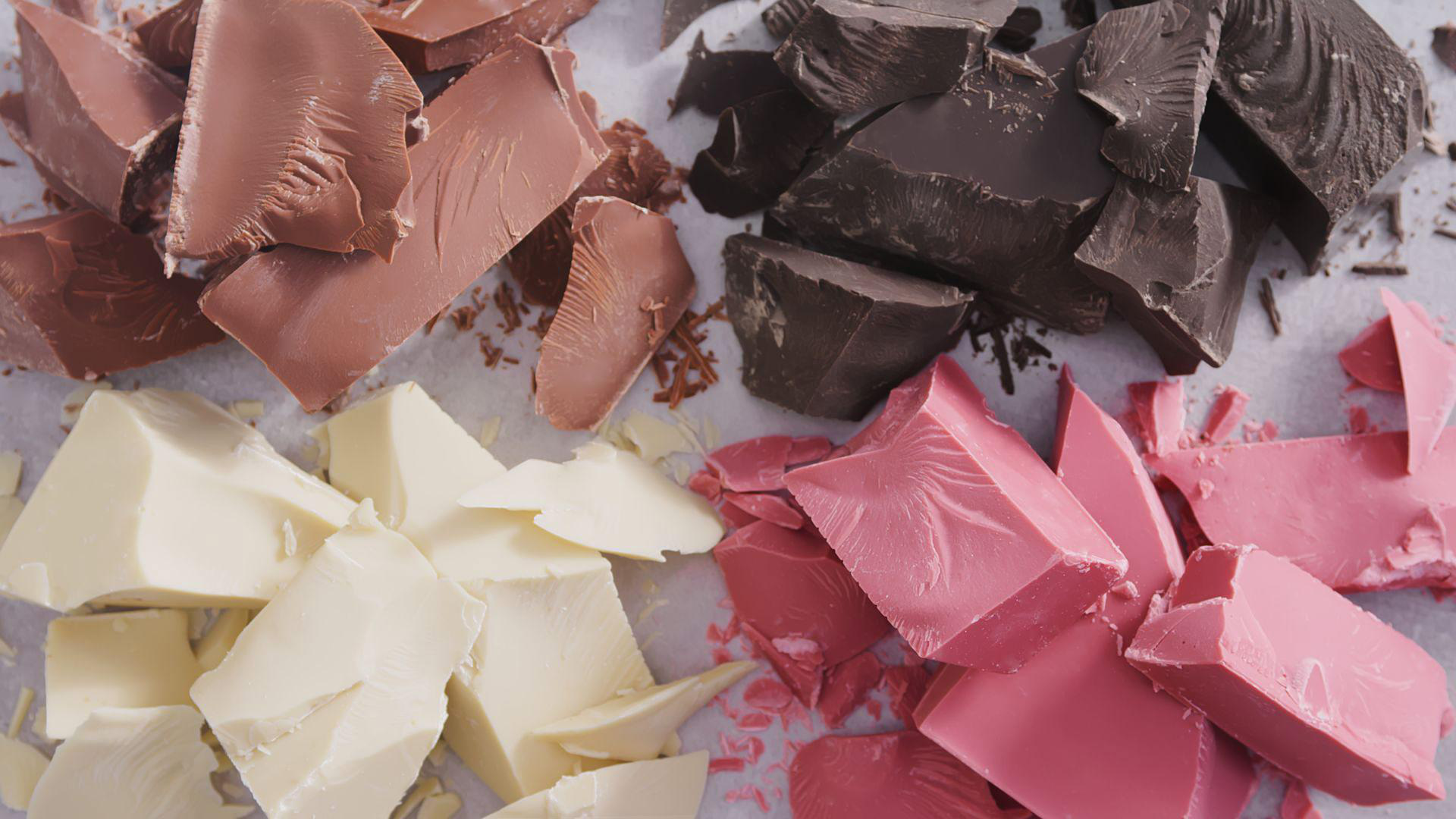
Dark chocolate : Rich in cocoa flavor and flavonoid antioxidants, often reserved for connoisseurs. Ruby chocolate, on the other hand, is lighter, more accessible, and has a distinctive fruity tartness.
-
Milk chocolate : Sweet and creamy due to its high milk content. Ruby is less rich and creamy, leaning towards a lighter, fresher taste.
-
White chocolate : Primarily made from cocoa butter, with no cocoa solids, and a mild sweetness. Ruby retains the natural cocoa flavor, creating a unique identity instead of relying solely on fat.
Thus, Ruby is not just a new color, but also a new taste experience, distinctly different from the three traditional types.
Applications and market trends
From its launch, Ruby has been exploited by many famous brands. KitKat Ruby first appeared in Japan in 2018 and quickly became a phenomenon. Subsequently, a series of other products emerged: Magnum Ruby ice cream, pastries in European patisserie shops, and even pink chocolate drinks in cafes.
Beyond just a product, Ruby is also seen as a symbol of culinary excellence combined with lifestyle. Young people view Ruby as a way to express their individuality and sophistication. In the high-end food industry, Ruby is also considered a tool for creating differentiated value, tapping into customers’ desire to experience something new.
In terms of potential, Ruby is predicted to continue its strong growth in the gift, creative food, and high-end market segments.
Controversy and critical perspectives
Despite being hailed as an invention, Ruby has also faced some controversy. Some culinary experts argue that it’s more of a clever marketing strategy than a genuine “new type of cocoa.” They question whether Ruby is truly a breakthrough ingredient, or simply the result of a proprietary processing method.
Furthermore, the high price is also a barrier preventing Ruby from becoming as widely popular as other types of chocolate. Currently, most Ruby products still target the high-end market or young customers who enjoy new experiences.
Ruby chocolate is the perfect fusion of culinary art and visual artistry. Beyond its captivating pink hue, Ruby opens up a world of entirely different flavors – subtly tart, fresh, and delicate. With the backing of Barry Callebaut and strong market appeal, Ruby is sure to continue its shining star in the chocolate industry.
Despite ongoing debates surrounding its exclusivity and price, Ruby has proven that chocolate is not just a food item, but also a symbol of modern lifestyle. And who knows, in the future, this pink gem might become the mainstream chocolate, rivaling dark, milk , and white chocolate in the hearts of food lovers worldwide.